
Vacancy Is an Operating Condition
Property preservation and REO programs operate on deadlines, evidence and exception management. A property may move from initial secure to inspection, repair, listing and conveyance while different vendors enter the file. The security plan has to protect the asset without blocking legitimate access or creating a new maintenance cycle for every opening.
Where DAWGS Fits
Preservation teams need a clear scope, dependable field documentation, controlled access and a defined removal trigger. They also need to know when a property is unsafe, occupied or otherwise outside the intended use of a vacant-property system. DAWGS makes those decision points part of the assessment rather than leaving them to a crew at the door.
Post-Foreclosure / REO
Post-foreclosure and bank-owned homes.
Initial Secure
Initial securing after vacancy confirmation.
Repair / Listing / Conveyance
Properties awaiting repair, listing or conveyance.
Recurring Inspections
Portfolios with recurring inspections and vendor visits.
A Repeatable Assessment and Service Workflow
Share the address, property status, photos, opening count, access contacts and target dates. DAWGS reviews the risk and recommends the relevant door, window, equipment or exterior-access solution. Trained teams install and document the work. Approved field representatives can re-enter through the agreed method, and removal is scheduled when the asset changes status.
- Assess
- Recommend
- Install
- Remove / Redeploy

Field record
- InstallationPhotographed and documented at completion
- AccessApproved field representatives, agreed entry method
- RemovalScheduled when the asset changes status
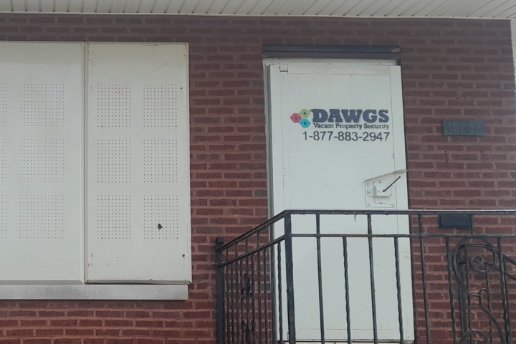
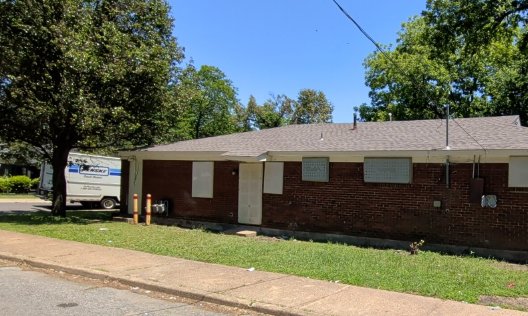 Site condition — documented
The Field Evidence Record
Opening Secured
Fitted steel guards anchored from inside the opening — no exterior pry points.
Access Record
Approved field representatives re-enter through the agreed method.
Recurring Inspections
Vendor visits proceed without rebuilding the protection each time.
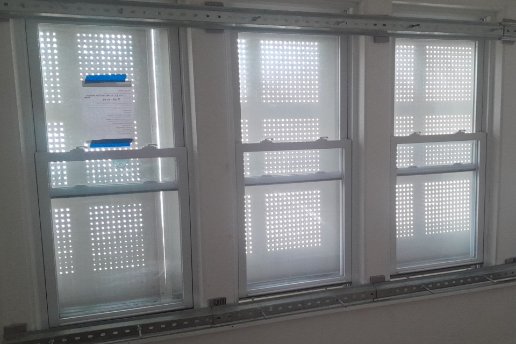
Installation documentation — internal bracing
Rental, Access and Portfolio Value
Because the steel equipment is rented, the service can follow a vacancy through its actual duration. Portfolio requests may also be reviewed for consistent contacts, approvals and reporting. That gives asset managers a more stable operating pattern than repeated wood boarding and helps keep the property ready for the next authorized visit.
Build the Program Around Evidence
Evaluate success with practical measures: fewer emergency re-secures, cleaner access records, complete installation photos and removals that align with conveyance or occupancy. Those are the outcomes a preservation operation can verify without relying on broad security claims.
Coordinate the People and the Property
Coordinate Stakeholders
For Property Preservation & REO, internal ownership matters. Name the person who can approve work, the person who controls access and the milestone owner who can authorize removal. That prevents responsibility from disappearing during a handoff.
A pilot or portfolio request works best when eligible properties, required documentation, exceptions and reporting are defined before volume grows. DAWGS can then follow a repeatable framework without ignoring differences at each address.
Coordinate the physical scope with insurance, procurement, legal, safety, construction and community responsibilities that remain outside DAWGS’ role. Clear boundaries help every team understand what the service does and does not cover.
Define the Property Plan
Local authorities may require registration, inspections, signs, maintenance or particular securing methods. Verify the rule for the address and include any current order in the assessment. DAWGS does not replace the owner’s compliance review.
Where occupied and vacant areas are close together, define the boundary before work. DAWGS solutions are intended for vacant property and must not obstruct an occupied area, required exit or active operation.
The requester should be able to explain why the property is vacant, what happens next and how long the transition may last. Those answers influence the recommended equipment, access configuration, rental assumption and timing.
Document Access, Installation & Removal
Success should be measured with records the organization can verify: complete installations, controlled handoffs, fewer unplanned opening repairs, documented re-entry and timely removal. Avoid relying on broad security or community outcomes without evidence.
For an urgent request, call with verified authority, occupancy, site hazards, photographs and an on-site contact. DAWGS will triage availability and safe service fit rather than automatically accepting an unrealistic response window.
Create a single property record for the request, installation, authorized users, condition checks and removal. When an asset manager, contractor or owner changes, transfer that record and update DAWGS instead of letting access information circulate informally.
Discuss the Property or Program
Bring the address or property list, vacancy status, opening and equipment information, access roles, local requirements and target dates. DAWGS will confirm coverage and recommend a practical physical protection scope. For an urgent condition, call 1-877-883-2947; scheduling is confirmed after the request is reviewed.