
Vacant Property Security for the Teams Accountable for the Building
Find the DAWGS pathway for public agencies, preservation teams, owners, managers, contractors, institutions and recovery professionals.
Public & Multifamily

Residential Portfolio

Commercial
One Physical Need, Different Operating Responsibilities
A municipality may be acting under an ordinance. A housing authority may be coordinating modernization near occupied residents. A preservation team may be working through investor or conveyance rules, while a commercial owner is balancing brokers, contractors and lease obligations. The steel system may be similar, but approval, access, documentation and removal have to match the buyer’s role.
A Rental Service Through the Next Milestone
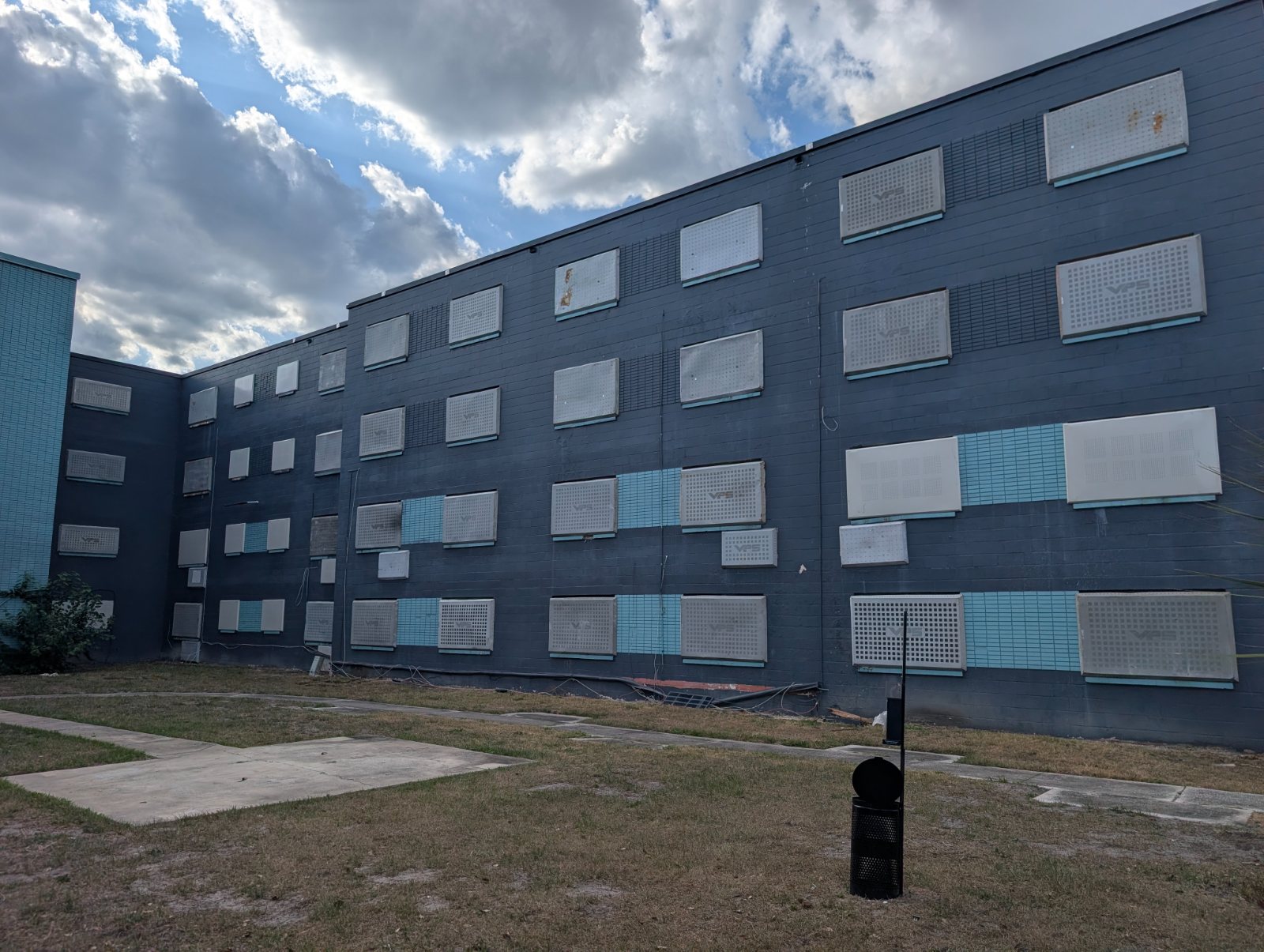
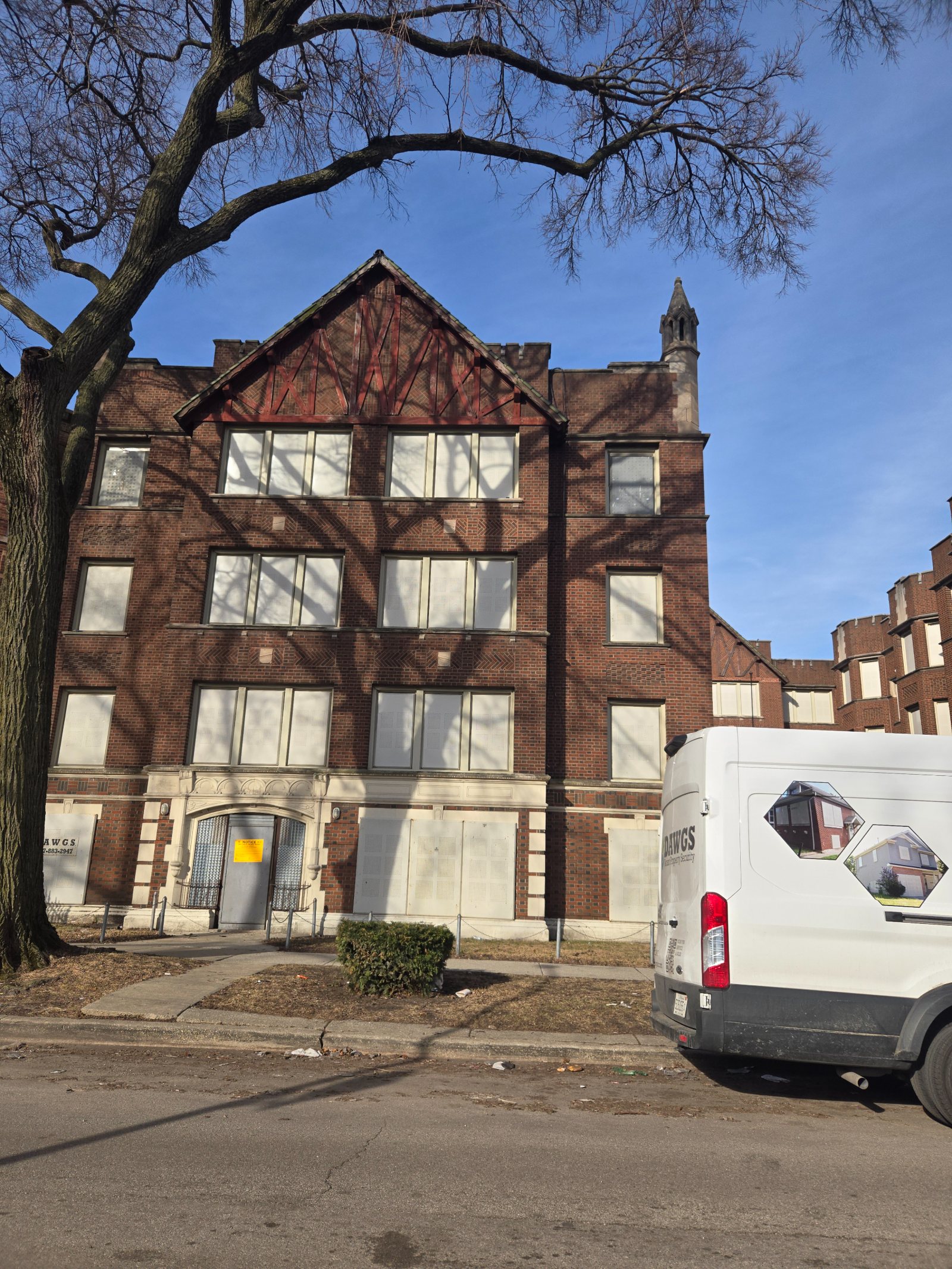
DAWGS rents fitted steel guards rather than selling them. Trained teams install and document the approved scope, customers manage authorized access and the equipment is removed when the property advances. Pricing and schedule depend on the property and current service availability; they are not implied by an audience category.
01
Assess
02
Install & Document
03
Controlled Access
04
Remove
Coordinate the People and the Property
The requester should be able to explain why the property is vacant, what happens next and how long the transition may last. Those answers influence the recommended equipment, access configuration, rental assumption and timing.
Urgent RequestsFor an urgent request, call with verified authority, occupancy, site hazards, photographs and an on-site contact. DAWGS will triage availability and safe service fit rather than automatically accepting an unrealistic response window.
Pilots & PortfoliosA pilot or portfolio request works best when eligible properties, required documentation, exceptions and reporting are defined before volume grows. DAWGS can then follow a repeatable framework without ignoring differences at each address.
Choose Your Path or Start With the Property
Select the audience page that matches your responsibility, or submit the address and property details for a recommendation. If the building is open and needs urgent review, call 1-877-883-2947. DAWGS will confirm the appropriate next step after triage.