
Vacancy Is an Operating Condition
Construction and rehabilitation properties change from week to week. Windows may be removed, units may be offline, equipment may arrive before commissioning and different trades may need access outside a single shift. Temporary wood and changing padlocks can create confusion just when the project needs a reliable handoff between the field and the owner.
Where DAWGS Fits
Project teams need a security scope that respects the work sequence, life-safety requirements and changing authorized roster. The protection must be installed on a structure that is safe enough to support it. It should also be clear which contractor controls entry, how credentials change and when a trade needs an opening temporarily cleared.
Acquisition / Pre-Rehab
Acquired buildings waiting for rehabilitation to begin.
Paused Projects
Projects paused between demolition and build-out.
Phased Renovation
Phased apartment and public-housing renovations.
Exposed Commercial Sites
Commercial sites with exposed openings, equipment or parking access.
A Repeatable Assessment and Service Workflow
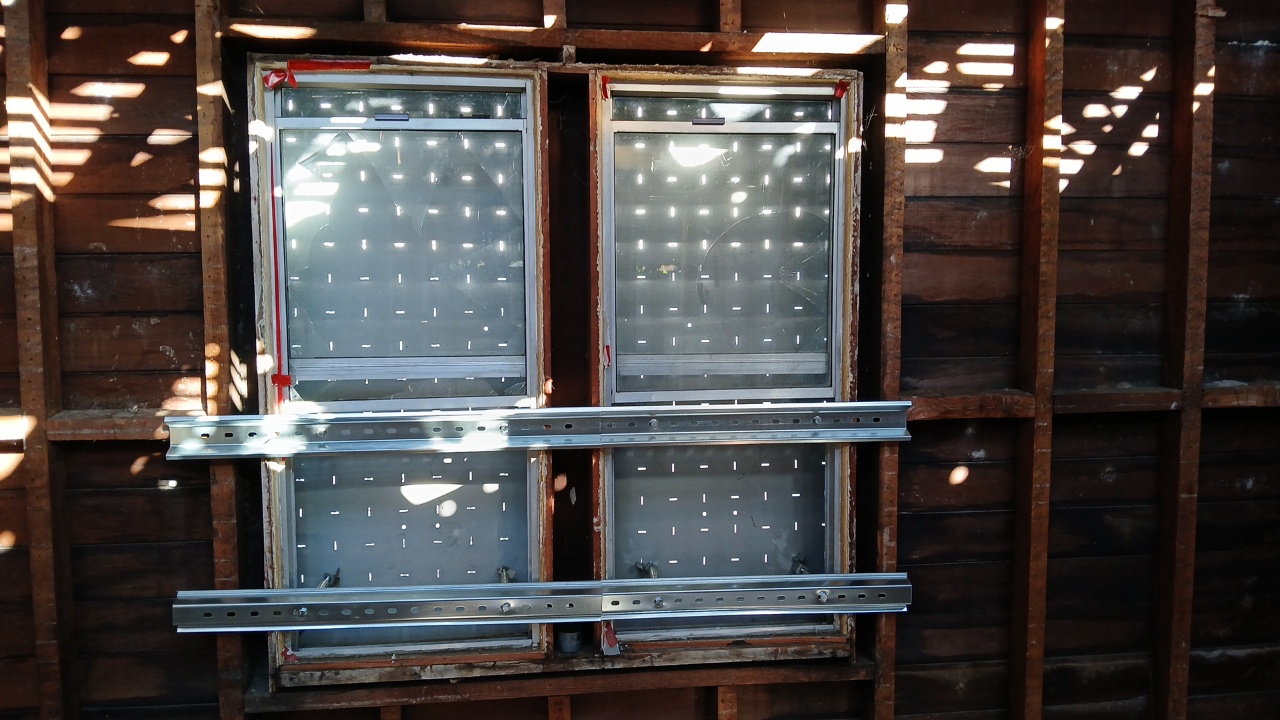
Share plans, photographs, opening dimensions, project phases, site conditions, contractor contacts and anticipated dates. DAWGS can recommend door and window guards, A/C or equipment protection, and lot access control. Installation and removal can be sequenced by building or phase so the security plan moves with the construction schedule.
- Assess
- Recommend
- Install
- Remove / Redeploy

Rental, Access and Portfolio Value
A rental arrangement keeps the equipment tied to the project period instead of leaving the owner with specialised barriers after completion. Pricing reflects the number and type of guards, mobilization, access, site conditions, duration and phased visits. DAWGS provides physical protection; the general contractor remains responsible for site safety and project controls.
Build the Program Around Evidence
Include security milestones in the project plan: ready-for-installation, access owner assigned, opening released for work and removal authorized. That shared language helps reduce gaps between contractors and property decision-makers.
Coordinate the People and the Property
Coordinate Stakeholders
For Construction & Rehab, internal ownership matters. Name the person who can approve work, the person who controls access and the milestone owner who can authorize removal. That prevents responsibility from disappearing during a handoff.
A pilot or portfolio request works best when eligible properties, required documentation, exceptions and reporting are defined before volume grows. DAWGS can then follow a repeatable framework without ignoring differences at each address.
Coordinate the physical scope with insurance, procurement, legal, safety, construction and community responsibilities that remain outside DAWGS’ role. Clear boundaries help every team understand what the service does and does not cover.
Define the Property Plan
The requester should be able to explain why the property is vacant, what happens next and how long the transition may last. Those answers influence the recommended equipment, access configuration, rental assumption and timing.
Local authorities may require registration, inspections, signs, maintenance or particular securing methods. Verify the rule for the address and include any current order in the assessment. DAWGS does not replace the owner’s compliance review.
Where occupied and vacant areas are close together, define the boundary before work. DAWGS solutions are intended for vacant property and must not obstruct an occupied area, required exit or active operation.
Document Access, Installation & Removal
For an urgent request, call with verified authority, occupancy, site hazards, photographs and an on-site contact. DAWGS will triage availability and safe service fit rather than automatically accepting an unrealistic response window.
Create a single property record for the request, installation, authorized users, condition checks and removal. When an asset manager, contractor or owner changes, transfer that record and update DAWGS instead of letting access information circulate informally.
Success should be measured with records the organization can verify: complete installations, controlled handoffs, fewer unplanned opening repairs, documented re-entry and timely removal. Avoid relying on broad security or community outcomes without evidence.
Discuss the Property or Program
Bring the address or property list, vacancy status, opening and equipment information, access roles, local requirements and target dates. DAWGS will confirm coverage and recommend a practical physical protection scope. For an urgent condition, call 1-877-883-2947; scheduling is confirmed after the request is reviewed.