

How DAWGS Vacant Property Security Works
Move from property information to a fitted steel solution, documented installation, authorized re-entry and planned removal through one service cycle.
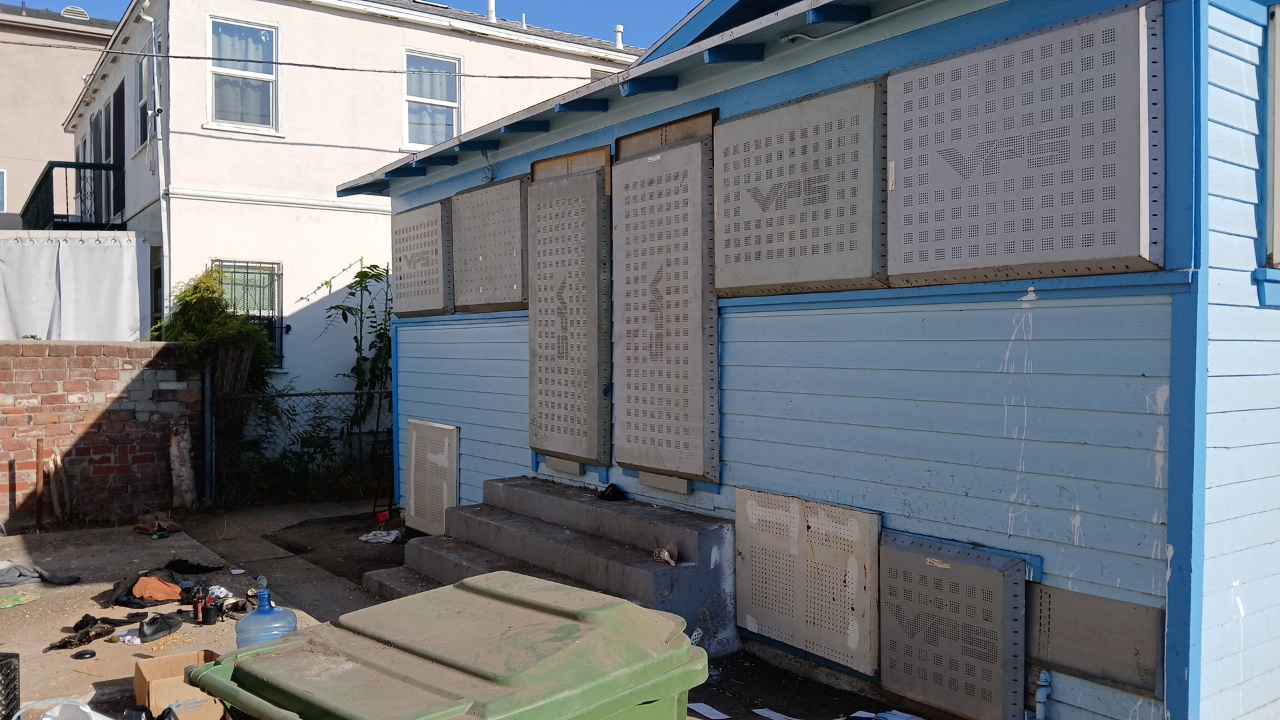
03 — Secured
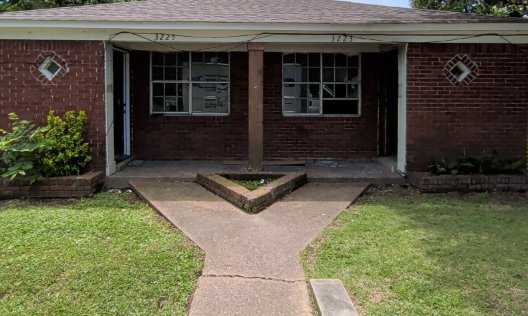
01 — Property
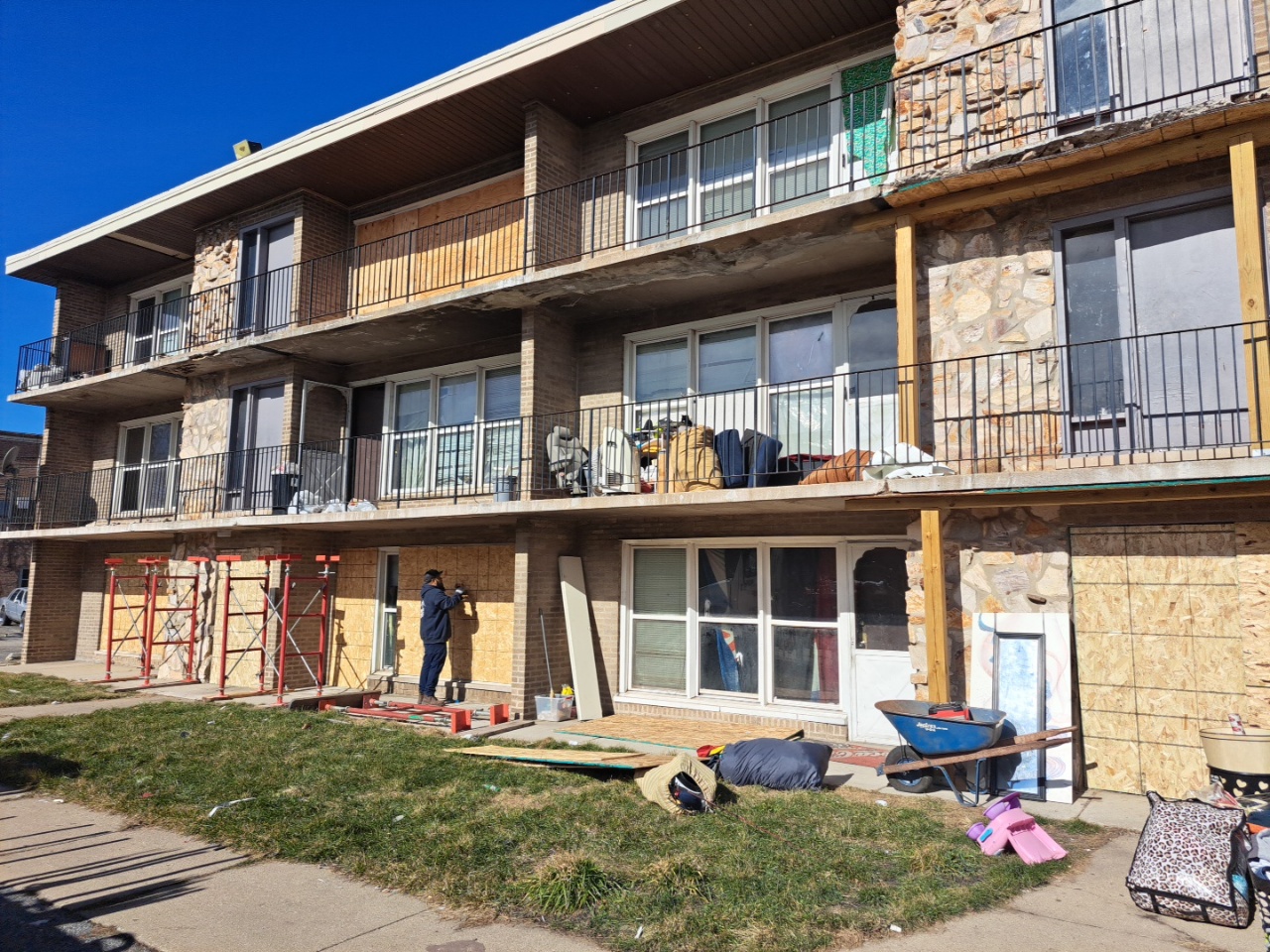
02 — Install
01
Share the Property and the Need
Start with the address, vacancy status, authority to act, photographs, opening and equipment information, access users and target dates. Tell DAWGS whether the request is planned or urgent. Complete information helps the team check coverage, safety, fit and pricing without making assumptions about the building.
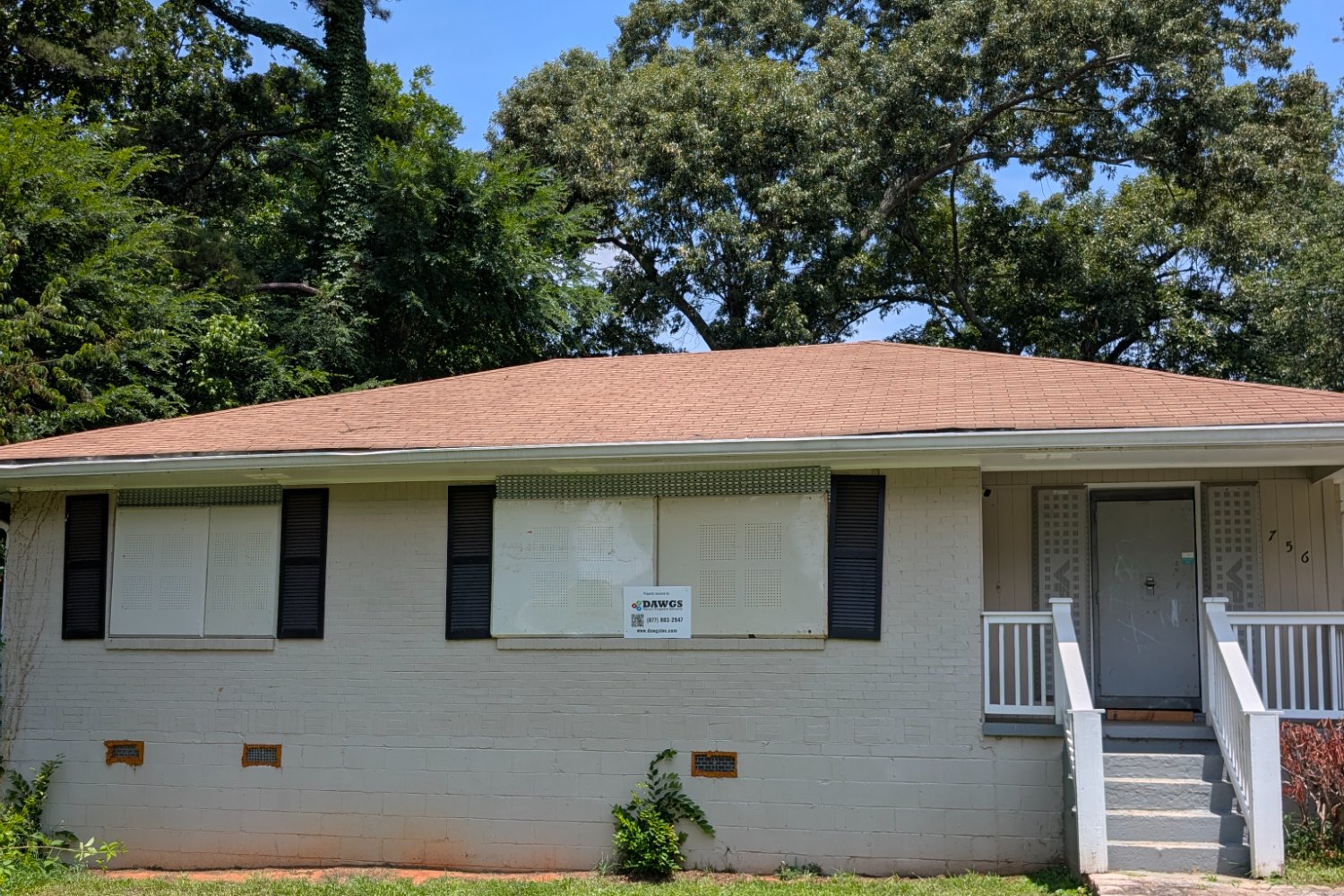
Property intake
- Address & vacancy statusWhere the building is and how it currently stands
- Authority to actWho can approve work on the property
- PhotographsCurrent condition of openings and equipment
- Openings & equipmentDoors, windows, exposed units, vehicle entrances
- Access users & target datesWho needs re-entry, and when work should land
- Planned or urgentHow quickly the request needs review
02
Receive a Site Recommendation
DAWGS reviews the property and recommends the relevant door, window, equipment or parking-access solution. Some sites can be assessed from complete records; others need a closer visit. The recommendation identifies assumptions and exclusions. It is not a structural report, code approval, insurance decision or promise that every building is serviceable.

Site Recommendation
Per property
Door Openings
Primary and secondary entry points
Window Openings
Vulnerable and ground-level openings
Equipment
Exposed mechanical units that must remain
Access Requirements
Who needs re-entry during the vacancy
03
Approve the Rental Scope and Schedule
The quote reflects the equipment, openings, site conditions, location, access method, installation, expected duration and later removal. DAWGS rents its equipment rather than selling it. After approval, scheduling is confirmed against property readiness, regional capacity and equipment; same-day or next-day work is not available for every request.
Rental Scope & Schedule
Confirmed before installation
- Equipment & openingsThe recommended door, window, equipment or parking-access guards for the property.
- Access methodHow approved visitors re-enter while every other opening stays secured.
- Rental termEquipment is rented, not sold — the term follows the expected duration.
- Installation & removalScheduling confirmed against property readiness, regional capacity and equipment.
Binding terms live under Legal
What the quote reflects
- Equipment
- Openings
- Site conditions
- Location
- Access method
- Installation
- Expected duration
- Removal
Install and Document
Trained teams fit the approved guards or access controls and document completion. If the building is occupied, unsafe or materially different from the request, the condition is escalated. Customers remain responsible for site safety outside the DAWGS work, utilities, hazardous materials, ongoing maintenance and any official approvals.

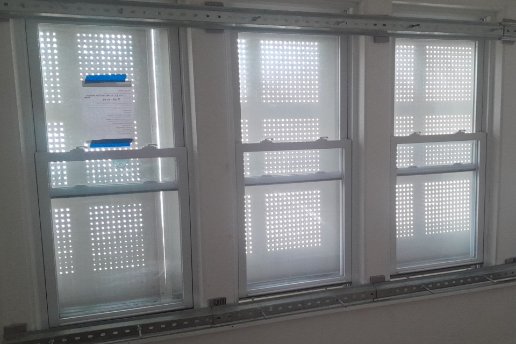
Installation documentation — internal bracing
Door Guard — Granted 2025U.S. Patent 12,264,534 B2
Window Guard — Granted 2014U.S. Patent 8,656,664 B2
05
Manage Coded or Keyed Re-entry
An approved door configuration can preserve access for owners, inspectors and contractors while other openings remain protected. The customer controls its authorized roster and credential-sharing policy. DAWGS does not track every visit through a mechanical guard or replace a full electronic access-management system.

01
Authorized User
On the customer-controlled roster
02
Approved Method
Coded or keyed entry
03
Secured Door
The guard stays in service
04
Property Entry
Owners, inspectors, contractors
05
Re-Secured
Opening protected after the visit
06
Inspect, Update and Remove
A physical barrier does not end property management. Continue condition checks and report damage, access changes or a shift in occupancy. When the building is ready for occupancy, transfer, construction, demolition or another agreed milestone, authorize removal and update the property record so no equipment or access responsibility is left unresolved.
Property remains vacant
→
Continue / Update Security
Keep condition checks going and report damage or access changes.
Property condition changes
→
Adjust Scope Where Required
A different opening, new damage or a revised project date can affect equipment, pricing or timing.
Property reaches the next milestone
→
Authorize Removal / Redeploy
Update the property record so no equipment or access responsibility is left unresolved.
A Clear Process from Property Review to Removal.
Use the property record to connect recommendation, quote, schedule, installation photos, access owner, condition reports and removal. A complete service history reduces uncertainty when the asset or contractor changes hands.
01
Documented Assessment
02
Authorized Scope
03
Professional Installation
04
Controlled Re-Entry
05
Documented Removal
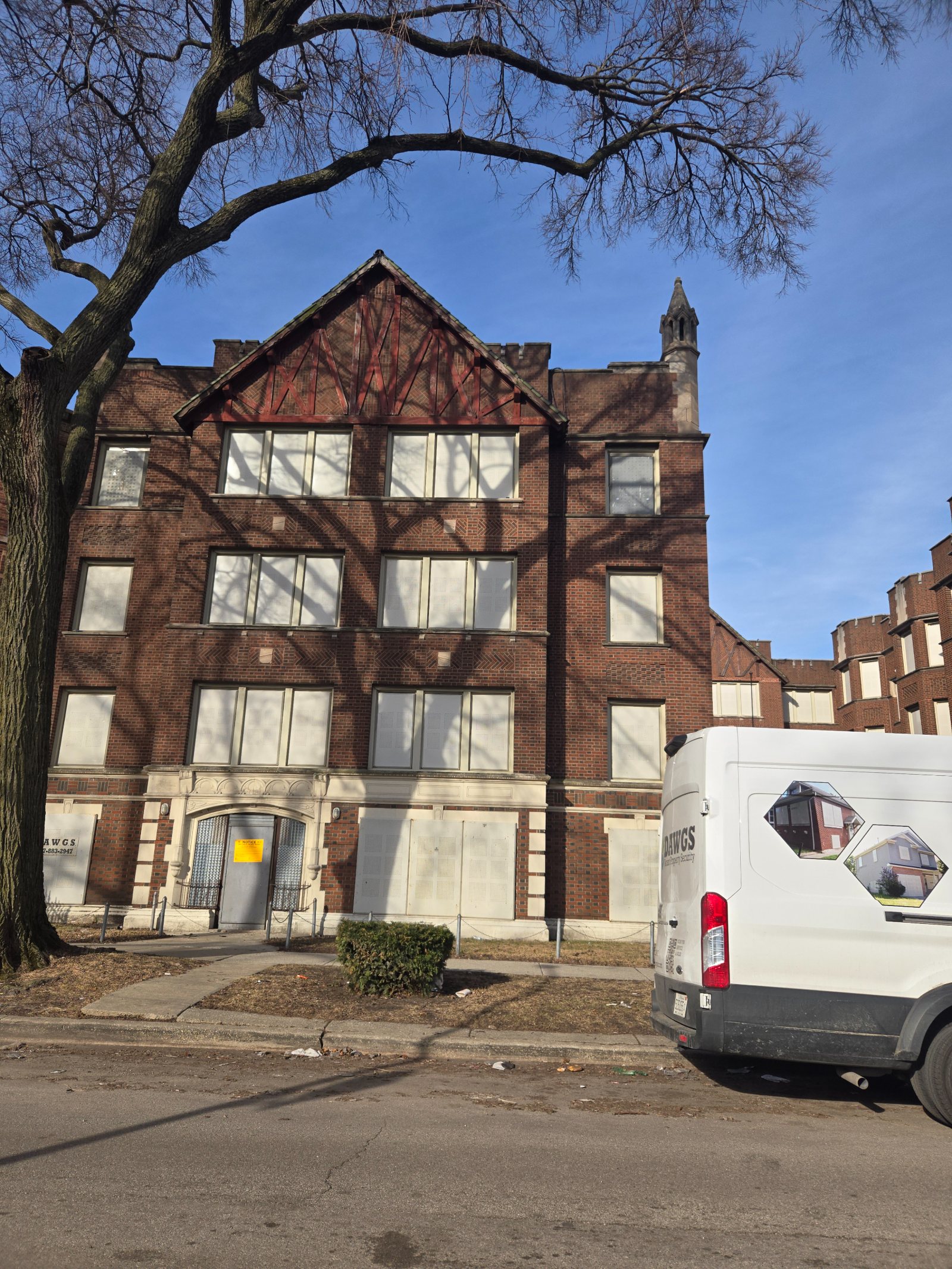
Go Deeper Into the Process
Start With the Property.
Share the address, vacancy status, photos and target dates. DAWGS checks coverage, safety, fit and pricing before recommending a securing scope.
Start With the Information You Have
Use Get a Site Recommendation for planned work. The form explains what to provide and what happens after submission. If photos, dimensions or dates are not final, say so clearly; DAWGS can identify the missing inputs instead of building a quote on uncertain assumptions.