

Vacant Property Security in Riverside
City or county record. Foreclosure or rehab timeline. Physical security that stays separate from both.
Protect vacant homes, multifamily buildings, commercial sites and industrial properties in Riverside and the Inland Empire with fitted steel guards, controlled access and a property-specific service plan.

Stucco Residential
Openings secured through foreclosure or rehab

Garage & Side Access
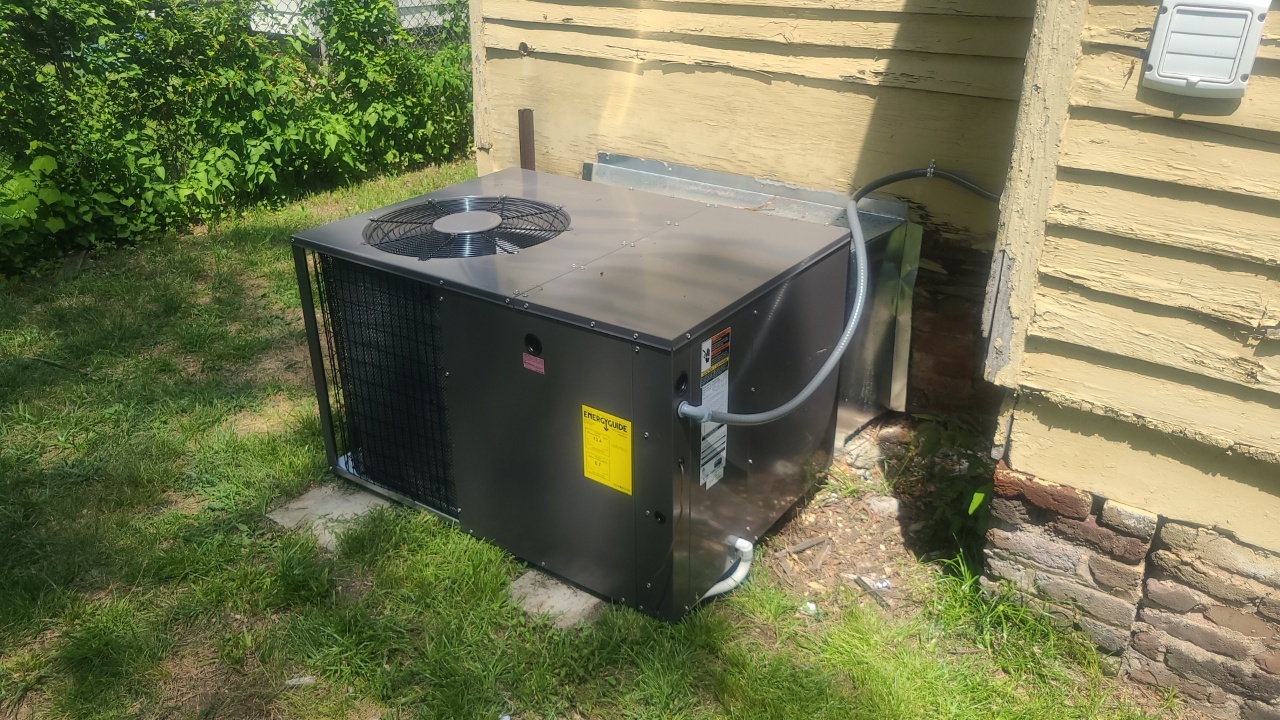
Exposed Equipment
A Practical Plan for Vacant Property in Riverside
A Riverside property can carry a status long before anything physical changes on site — notice of default, trustee’s sale, bank-owned, investor-held or moving through rehab. Whether it sits inside city limits or in unincorporated county also changes who enforces what.
None of it secures an opening. The physical plan runs alongside the status: what is exposed, who can enter, and which milestone will end or change the scope.
The Riverside Property Status and Timeline Board
- Notice of Default or Trustee’s Sale
- Bank-Owned or Investor-Held
- Rehab or Change of Use
- Listing, Lease-Up or Occupancy
Property Status
- Default or sale notice recorded
- Registration may apply in unincorporated county
- Responsible party may be changing
Physical Condition
- Openings exposed or temporarily boarded
- Condensers and equipment left on site
- Grounds and vegetation unmaintained
Access & Next Milestone
Owner or servicer access only. The next milestone is usually the sale, a transfer to the lender or a negotiated resolution.
Property Status
- Title held by lender or investor
- Local obligations may apply
- Contact of record may be off-site
Physical Condition
- Condition often unverified at handover
- Prior boarding of unknown age
- Opening count rarely documented
Access & Next Milestone
Establish a local contact who can physically reach the property; the recorded contact is frequently out of the area.
Property Status
- Active permit or rehab scope
- Property may be held for months
- Code case may be in progress
Physical Condition
- Openings change as work reaches them
- Panels removed in phases
- Materials and tools on site
Access & Next Milestone
Contractor access increases. Review scope at each phase so steel comes off where construction has taken over.
Property Status
- Listed for sale or lease
- Status change in progress
- Documentation assembled for the address
Physical Condition
- Final condition documented
- Openings prepared for showings
- Equipment returned to service
Access & Next Milestone
Confirm who approves removal and plan it against the actual closing, lease or occupancy date.
This board is an explanatory planning tool for physical-security scoping. It is not a legal, foreclosure or registration determination, and installing steel neither proves nor affects any property status.
City Limits or Unincorporated County? Confirm the Jurisdiction First.
01
Check the Jurisdiction
A Riverside address may fall inside City of Riverside limits, enforced by the City’s Code Enforcement Division, or in unincorporated Riverside County. Confirm which one applies before relying on any requirement.
02
County Registration for Distressed Residential Property
In unincorporated areas, Riverside County Ordinance 881 requires registration of certain vacant residential properties in default or foreclosure. Verify whether it applies to the address.
03
Steel Does Not Prove Status
A DAWGS installation is a physical protection scope. It does not satisfy a registration requirement, resolve a code case or replace grounds maintenance and weed abatement.
DAWGS provides physical vacant-property protection after assessment. It does not provide legal advice, replace registration, replace inspection or maintenance, determine compliance or remove the owner’s local obligations. Share any current notice tied to the address so the recommendation can account for it.
Steel Protection for Riverside Openings, Equipment and Vehicle Access.
Sliding doors, garage entries, exposed condensers and wide industrial lots each create a different exposure. DAWGS reviews the actual openings, equipment, access requirement and current phase before recommending a system.

Fitted Steel Entry Protection
Front, side and garage entry doors are covered with steel fitted to the opening, keeping one controlled way in for servicers, brokers, inspectors and trades.
- Fitted to the opening rather than a standard sheet
- Controlled re-entry for showings and inspections
- Rented, serviced and removed on a planned schedule
Commonly Reviewed ForSingle-family · Multifamily · Commercial · Industrial

Steel Window Guards With Interior Bracing
Windows and slider openings are covered with panels sized per opening and braced from the interior where the structure supports it, leaving no exterior pry points.
- Panels sized per opening, not one standard sheet
- Interior bracing leaves no exterior pry points
- Released in phases as rehab reaches each opening
Commonly Reviewed ForSingle-family · Multifamily · Commercial
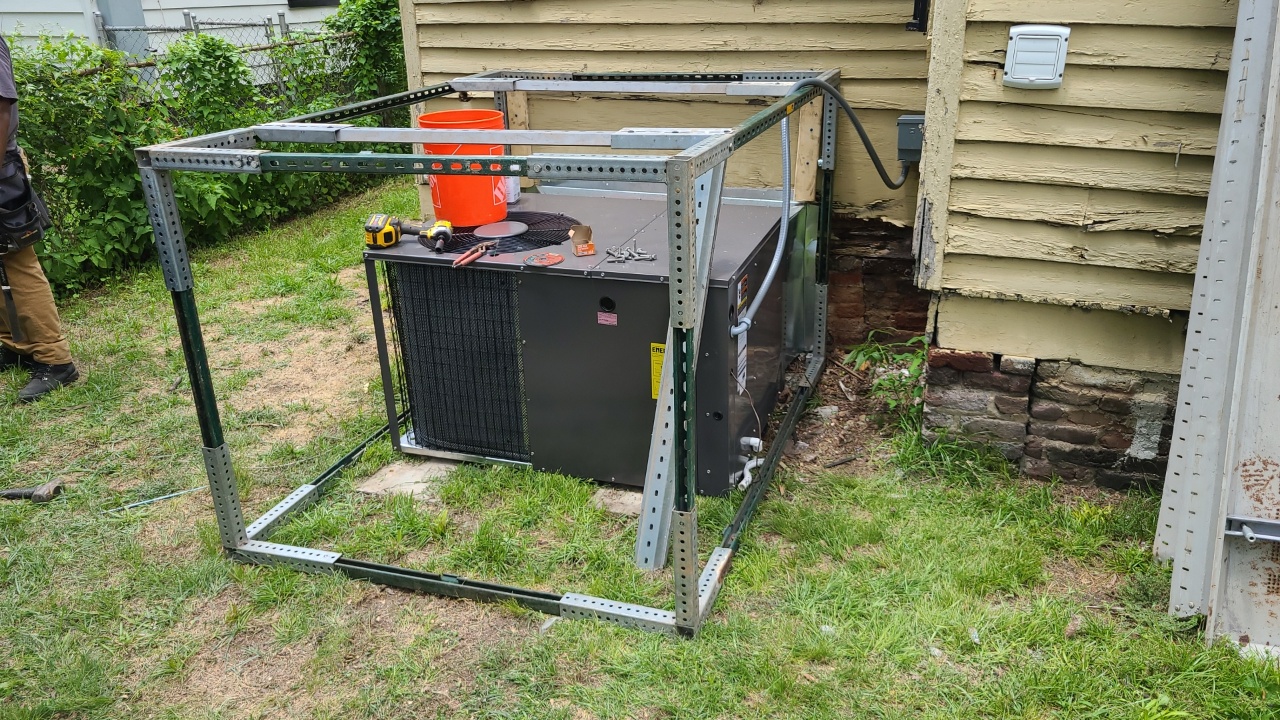
Protection for Exposed Condensers and Equipment
Where condensers or pad equipment remain on a vacant property, a steel enclosure built for the unit protects it from theft while preserving the airflow and service access it requires.
- Enclosure built for the specific unit and location
- Service access and airflow preserved
- Applied where equipment stays with the property
Commonly Reviewed ForSingle-family · Multifamily · Commercial
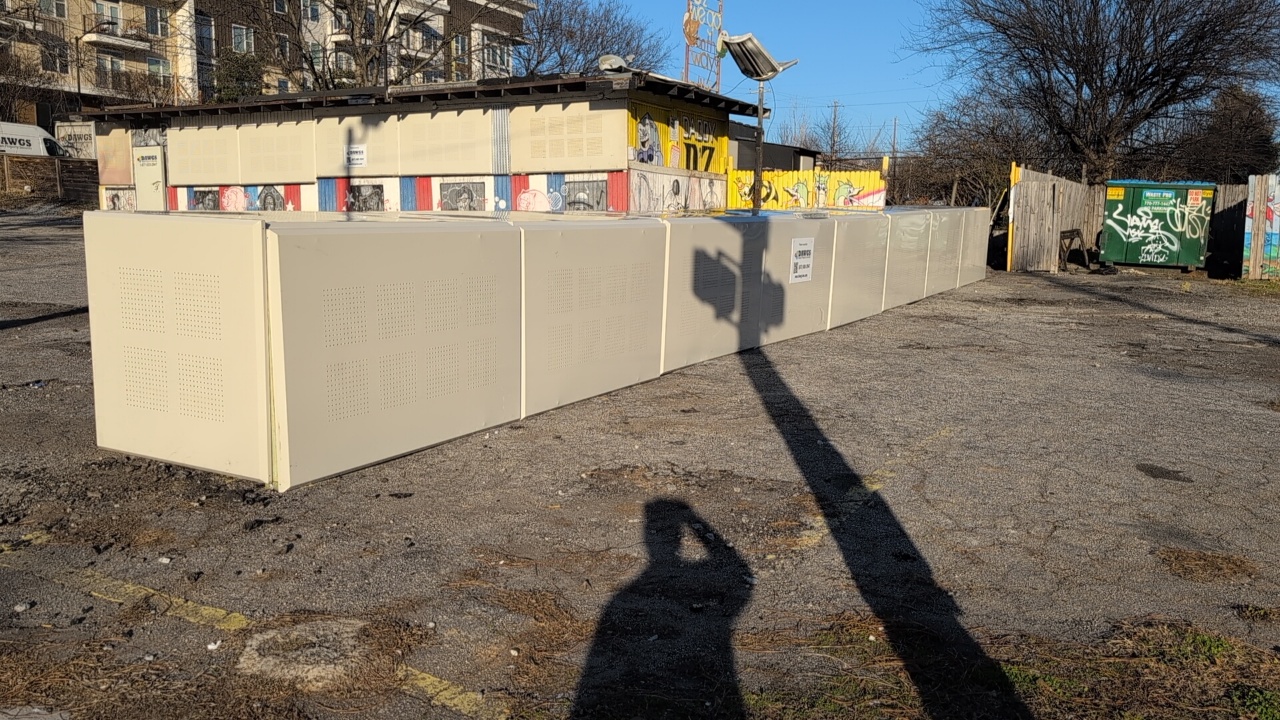
Controlled Vehicle Access on Commercial and Industrial Lots
Anchored steel closes vehicle entrances to vacant commercial and industrial lots, eliminating drive-in access for dumping, storage and unauthorized use.
- Anchored at the entrance to eliminate drive-in access
- Applied to appropriate vehicle entry points only
- Removed or repositioned as the site returns to use
Commonly Reviewed ForCommercial · Industrial · Vacant lot · Vehicle entrance
From Exposed Opening to Fitted Steel.
These photographs document approved DAWGS project conditions before and after fitted steel installation. Actual configurations vary according to the property, opening and approved scope.
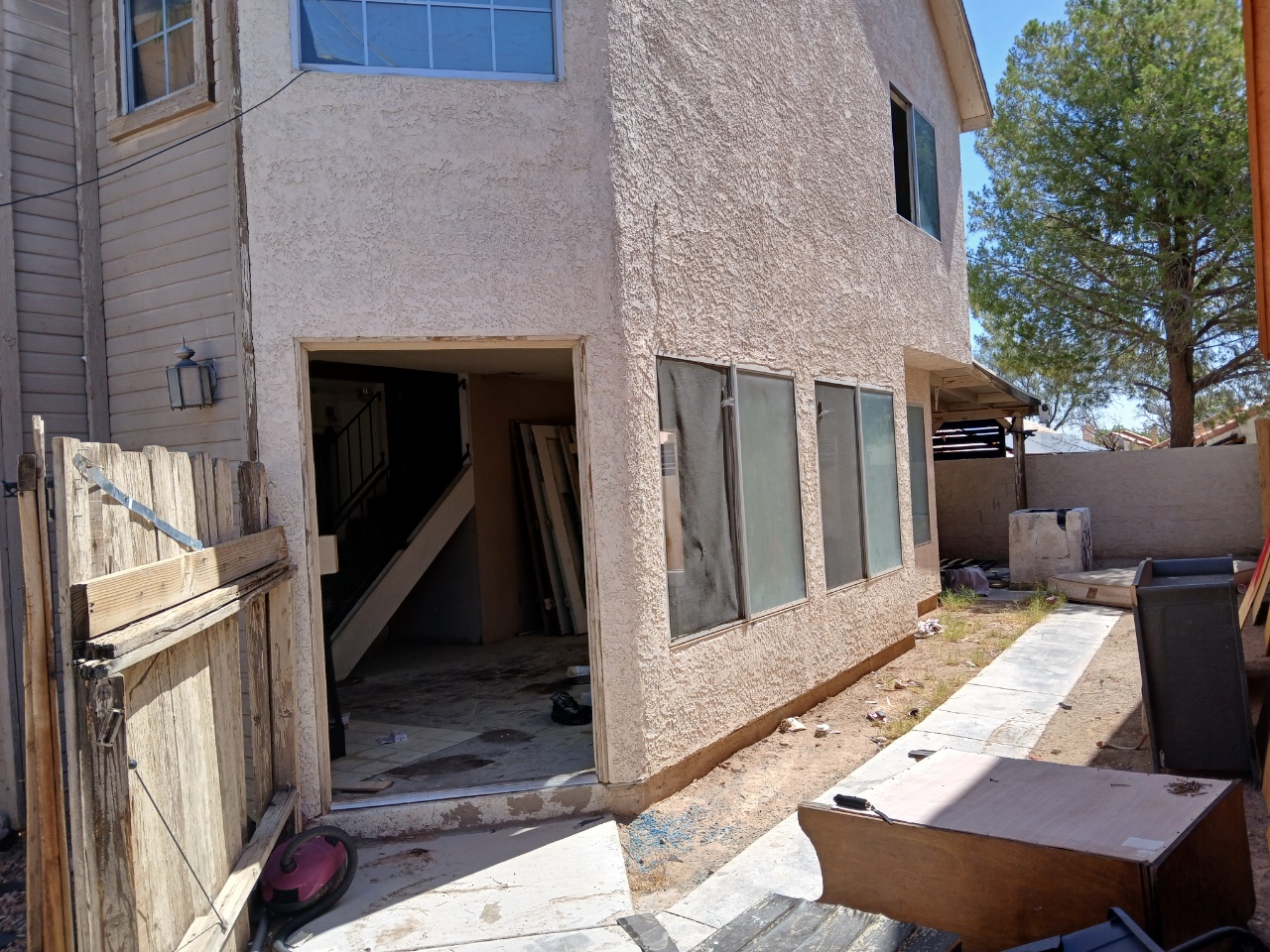
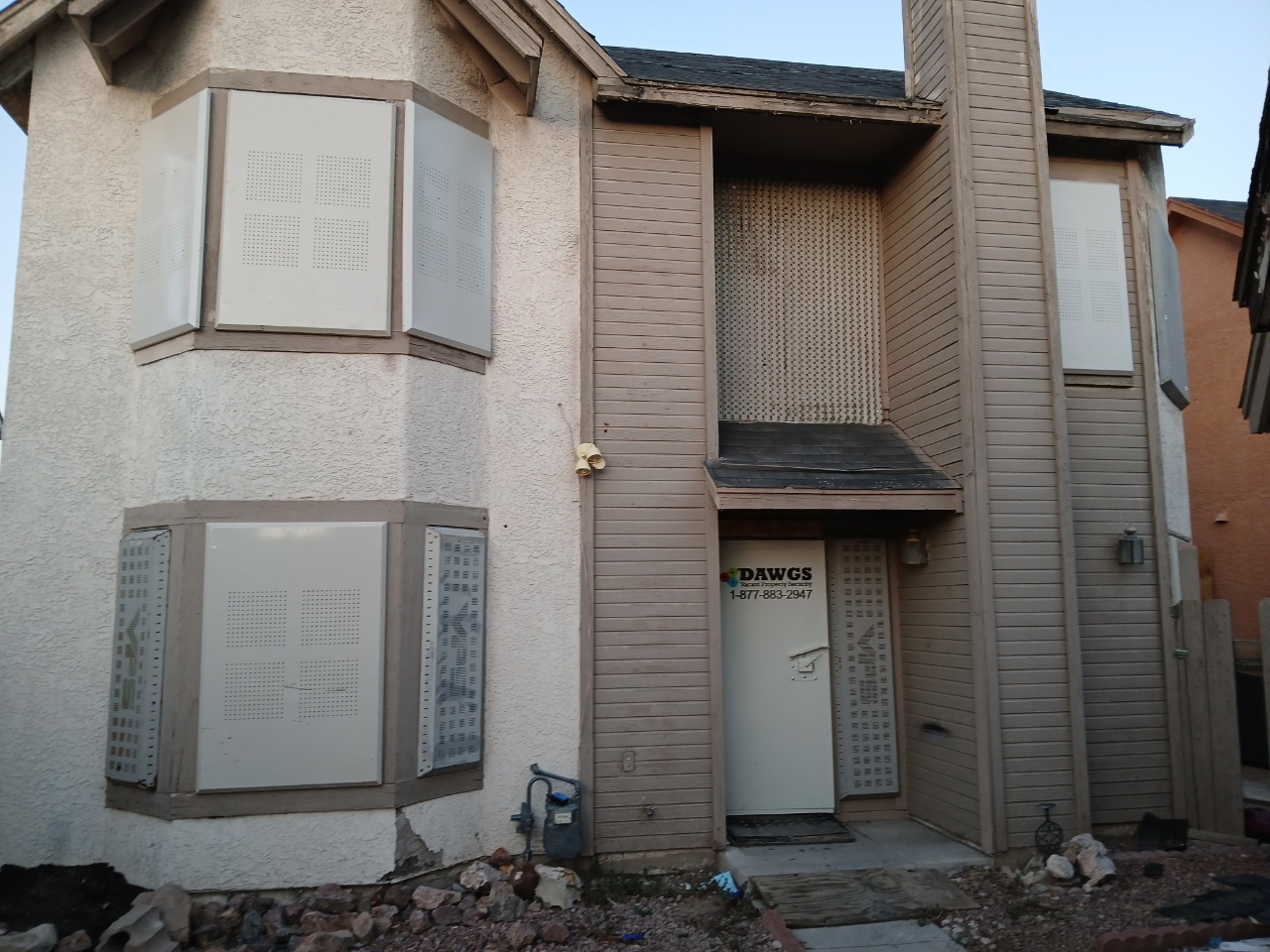
Photographs show completed DAWGS installations from the company’s project record. They illustrate typical configurations rather than a specific Riverside address; the recommended scope depends on the openings, condition and local direction at each property.
How Local Service Is Confirmed.
DAWGS supports Riverside through its current regional operating model, but each request still begins with the exact address, its jurisdiction and status, the condition of every opening and the building’s intended future use.
01
Share the Complete Address
Provide the address, property type, vacancy status, opening information, access roles and current timing.
02
Confirm Current Market Support
Regional support in Southern California is confirmed for that specific address.
03
Review Jurisdiction, Status and Condition
City or county jurisdiction, foreclosure or registration status, openings, equipment, access and authority, and the current phase are reviewed together.
04
Define the Property-Specific Next Step
DAWGS proposes a rental scope covering installation, controlled re-entry and planned removal.
Sliders and Garage Doors Take a Closer LookSliding glass doors, garage entries and side-yard gates are common entry points on Inland Empire homes. Send dimensions and photographs of each so the scope is right before a crew arrives.
Security That Lasts the Whole Timeline.
DAWGS rents the equipment rather than selling it. The approved scope, access method, rental period and planned removal are matched to the property and its current phase. Price depends on the number and type of openings, equipment, property condition, location, access method, installation requirements, duration and removal.
01
Property Reviewed
Jurisdiction, status, openings, equipment and access are assessed for the specific property.
02
Rental Scope Confirmed
Scope, access method and expected duration are agreed with the responsible party.
03
Steel Installed
Guards are fitted and braced to the approved scope, with the installation recorded against the address.
04
Authorized Re-entry
Owners, servicers, brokers, inspectors and contractors use the agreed re-entry method while protection remains in place.
05
Property Status or Project Phase Changes
Foreclosure sale, rehab, listing, lease-up, change of use or occupancy each change what the property needs. Not every property follows the same path.
06
Review, Remove or Redeploy
The scope is reviewed and equipment removed or redeployed as the property advances.
The Riverside Status-to-Milestone Timeline.
One Riverside property runs two timelines at once. The record moves through jurisdiction, notice and registration steps; the building moves through condition, scope and access. Reading them side by side keeps a security decision from waiting on a paperwork one.
Stage
Jurisdiction
Notice / Registration
Physical Condition
DAWGS Scope
Rehab or Listing
Occupancy / Removal
Record & Jurisdiction Track
ConfirmedCity of Riverside or unincorporated county
FiledDefault, trustee’s sale, registration or code case recorded
UnaffectedStatus does not change what is physically exposed
SeparateInstallation neither proves nor alters any status
ActivePermits, listing or rehab progress on their own timeline
ResolvedStatus closed at sale, transfer or occupancy
Physical Property Track
ObservedOpenings, equipment, grounds and site condition
DocumentedPhotographs and opening count recorded per elevation
AssessedWhat is reachable, what is exposed, what is safe
InstalledFitted steel and controlled re-entry on approved openings
AdjustedPanels released as rehab reaches each opening
RemovedEquipment removed or redeployed on the agreed milestone
The timeline is an explanatory visual separating property records and jurisdiction from physical protection scope. It is not software, a registration tool, or legal advice, and it contains no customer data.
Prepare the Riverside Property for a Clear Decision.
A Riverside request should name the jurisdiction and current status, count every opening including garage and slider entries, and name the intended future use.
01
Address, Jurisdiction and Status
- Complete property address
- City limits or unincorporated county
- Default, sale or registration status
- Any code case or notice
- Owner, servicer or responsible contact
02
Building Type, Openings and Condition
- Building type and age
- Door, slider and window count
- Garage and side-yard entries
- Existing boarding
- Exposed condensers or equipment
- Photographs of each elevation
03
Access, Authority and Grounds
- Safe crew access and staging
- Authority to approve work
- Authorized users on the roster
- Grounds and weed-abatement arrangements
- Vehicle entrances on the lot
04
Sale, Rehab, Lease-Up or Occupancy Milestone
- Intended future use
- Rehab or construction plan
- Listing or sale timeline
- Expected occupancy date
- Who approves removal
Fire Season & Grounds
Fitted steel guards protect the approved openings. They do not replace weed abatement, debris removal or defensible-space upkeep on the lot — vacant grounds are expected to stay clear, especially during fire season.
Heat and Exposed Equipment
Condensers and pool or pad equipment are frequent theft targets on vacant Inland Empire homes. Note every exterior unit so the recommendation covers equipment as well as openings.
Start With the Riverside Property, Its Jurisdiction and the Intended Future Use.
Share the address, jurisdiction, default or registration status, building type, vacancy status, opening and equipment information, access and authority, and intended future use so DAWGS can confirm the appropriate regional review path and recommend the next step.
Request a Riverside Site Recommendation
Submit the address, vacancy status, authority to act, site photographs, opening and equipment information, access contacts and desired timing. DAWGS will verify the service area and scope before confirming scheduling. For an open property that needs urgent review, call 1-877-883-2947.