

Vacant Property Security in Baltimore
Baltimore property context. Fitted steel. A documented next step.
Protect vacant rowhouses, detached homes, multifamily buildings, commercial properties and public-sector sites across the Baltimore market with fitted steel guards, controlled re-entry and a property-specific service plan.

Baltimore Market
Attached masonry property · fitted steel openings

Fitted Steel Opening

Secured Window Detail
A Practical Plan for Vacant Property in Baltimore
Baltimore’s rowhouse blocks, detached homes, commercial corridors and redevelopment sites create distinct vacancy conditions. An opening on a narrow attached property affects the same street face as occupied neighbors, while a larger industrial or institutional site may need several controlled entry points. A useful plan considers visibility, access and the next property milestone together.
The DAWGS recommendation depends on the actual property, its opening conditions, the access the owner needs to keep, the timing of the work and the local requirements attached to the address — not one package applied across the city.
- Rowhouse blocks
- Detached homes
- Commercial corridors
- Redevelopment sites
- Between tenants
- Toward rehabilitation, sale or transfer
- Multiple controlled openings
Baltimore City requires registration for vacant buildings and lots and provides an annual registration process through Housing and Community Development. Deadlines, fees and required owner information can change, and a property may also be subject to a Vacant Building Notice. Owners should verify the current record, deadlines and requirements directly with the City before work begins. DAWGS provides physical vacant-property protection after assessment; it does not issue legal opinions or replace registration, inspection, maintenance, fire, insurance or permit obligations.
Steel Protection for Baltimore Openings, Equipment and Access Points.
Different Baltimore property conditions may require different physical systems. DAWGS matches the recommendation to the actual openings, exposed equipment, authorized-access need and planned property timeline.
Fitted Steel Entry Protection With Authorized Access
Entry points on vacant Baltimore rowhouses, detached homes and commercial frontages are covered with steel fitted to the opening. Approved owners, inspectors and contractors keep an agreed way back in, and the equipment is rented and removed on a planned schedule.
- Fitted to the opening rather than a standard sheet
- Controlled re-entry for authorized parties
- Rental model with planned removal
Fitted Protection for Exposed Openings
On attached properties the street face is shared with occupied neighbors. Steel window panels are configured to the opening and braced from the interior where the structure supports it, keeping the elevation looking maintained rather than boarded.
- Configurations matched to each opening
- Internal bracing where the structure supports it
- Removed on a planned schedule
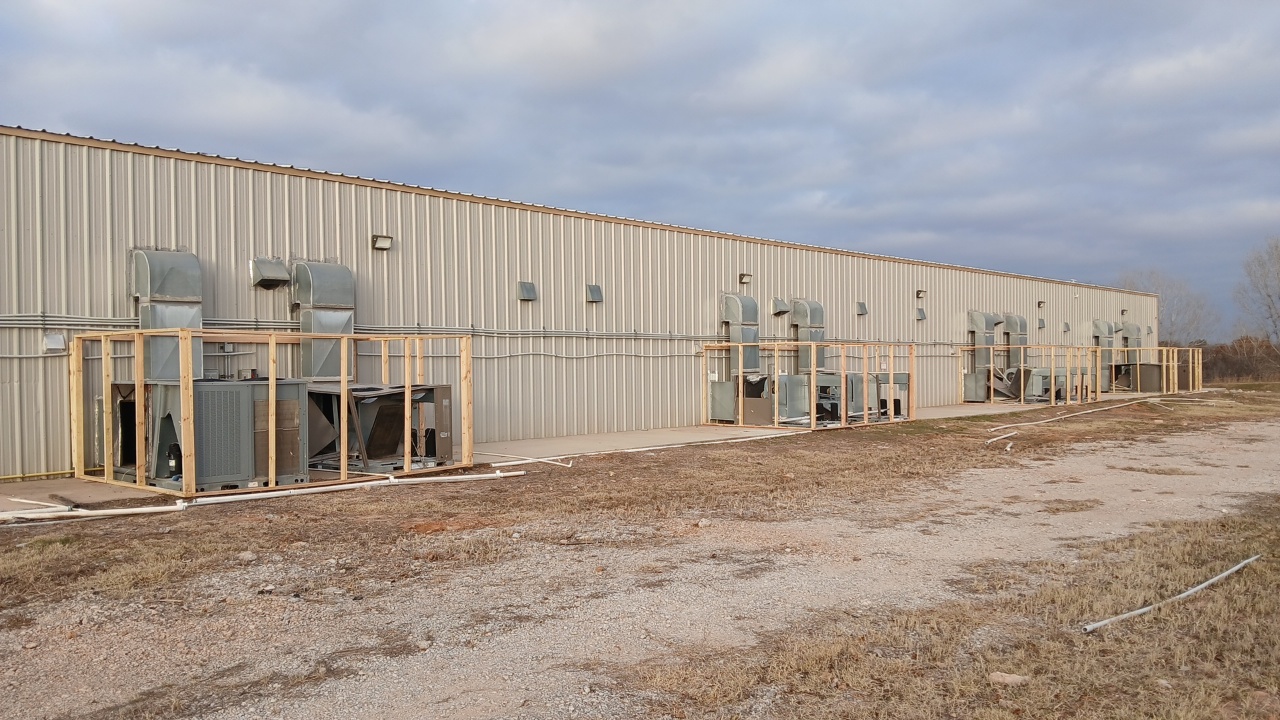
Protection for Exposed Mechanical Equipment
When exposed condensers or mechanical equipment remain on a vacant site, a property-specific steel enclosure protects the unit while preserving the service access the equipment requires.
- Enclosure built for the specific unit and location
- Service access preserved
- Rental and removal where applicable

Controlled Vehicle Access on Vacant Lots
Anchored steel blocks vehicle entrances to vacant lots and aprons, eliminating drive-in access for dumping, storage and unauthorized use until the site returns to use.
- Anchored at the vehicle entrance to eliminate drive-in access
- Applied to appropriate entry points only
- Removed or repositioned as the site returns to use
From Exposed Opening to Fitted Steel.
These photographs document an approved DAWGS project condition before and after fitted steel installation. Actual configurations vary according to the property, opening and approved scope.

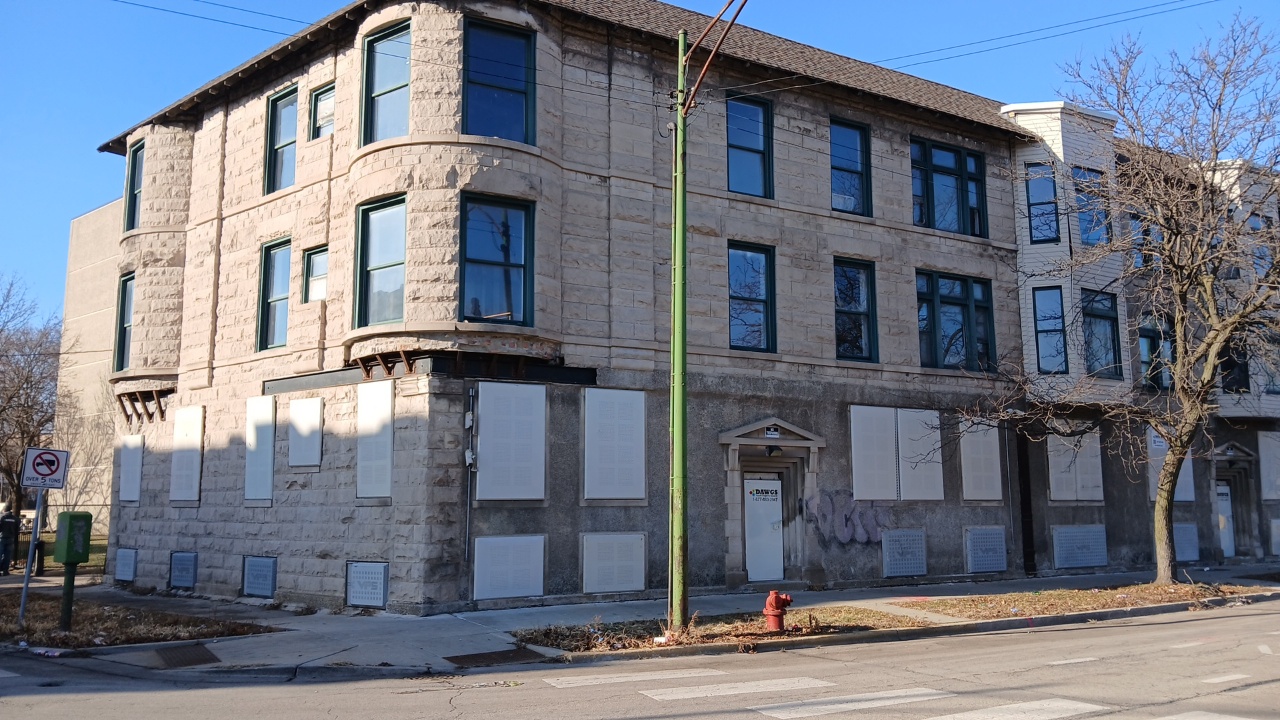
Photographs show completed DAWGS installations from the company’s project record. They illustrate typical configurations rather than a specific Baltimore address; the recommended scope depends on the openings, condition and local direction at each property.
How Local Service Is Confirmed.
Market presence is the starting point. Regional support in the Baltimore–Washington area helps DAWGS serve local properties while maintaining a national process — but the exact address, current property condition, opening information, access requirements and current regional support are still reviewed before a next step is recommended.
01
Share the Baltimore Address
Provide authority, occupancy status, photos, opening information, access needs and schedule.
02
Confirm Current Market Support
DAWGS confirms serviceability for the address through its regional operating network.
03
Review the Property, Openings and Access Need
Fit is reviewed against the actual openings, equipment, condition and required re-entry — front and rear.
04
Define the Property-Specific Next Step
DAWGS recommends a rental scope rather than assuming every property needs the same set of guards.
Security That Moves With the Property Timeline.
DAWGS rents its equipment rather than selling it. Price depends on the number and type of openings, equipment, property condition, location, access method, installation requirements, duration and removal.
01
Scope Confirmed
Openings, equipment and the authorized-access need are agreed for the property.
02
Steel Installed
Guards are fitted and braced to the confirmed scope, front and rear where required.
03
Authorized Re-entry
Approved owners, inspectors and contractors use the agreed re-entry method while protection remains in place.
04
Property Condition or Project Phase Changes
Rehabilitation, contractor access, sale or transfer, tenant preparation, construction or occupancy shifts what the property needs. Baltimore properties do not all follow the same path.
05
Review, Remove or Redeploy
The scope is reviewed and equipment removed or redeployed as the property advances.
Keep the Property Record, Security and Next Milestone Aligned.
A fitted steel system protects the approved physical opening. The owner or property team still manages the property record, authorized contacts, local requirements, site condition and the next rehabilitation, sale, construction or occupancy milestone.
Keep Current During the Vacancy
01
Property Record
Align the DAWGS guard record with Baltimore’s property registration and keep the Vacant Building Notice or registration record with the service file when one exists.
02
Responsible Contact
Record the person responsible for City communication, authorized re-entry and removal so the property does not move between departments or vendors without a current security owner.
03
Authorized Access
Protect access information when vendors or ownership change — the approved contact updates the roster and removal authority so credentials do not stay with people off the property.
04
Vacancy Status & Condition
Continue regular site visits during the rental. Weather, project work and building deterioration can change an opening or surrounding structure after installation; report those changes promptly.
05
Installed Equipment Record
Keep the record of installed guards, access owners and removal triggers current for each address.
06
Inspection Responsibility
Local inspection and registration duties stay with the owner; DAWGS remains the contact for the installed physical scope.
Prepare for the Next Property Milestone
Rehabilitation Calendar
Connect the securing decision to the rehab schedule — contractor visits and phased work change the access pattern.
Sale or Transfer
Confirm who holds access and removal authority through the transfer so the record does not lapse mid-sale.
Construction Phase
Openings and site conditions change once construction starts; the scope should be reviewed rather than assumed.
Tenant Readiness & Occupancy
Plan removal ahead of occupancy so the property is not waiting on a separate timeline.
Access Changes
Update the roster whenever the field contact, contractor or asset manager changes.
Removal or Revised Scope
Decide whether equipment is removed, reduced or redeployed as the property advances.
Prepare the Property for Review
- Property address
- Property status
- Opening estimate
- Safe access
- Authorized contact
- Current hazards
- Target milestone
- Local contact
Baltimore rowhouses need a front-and-rear opening plan — a protected front door does not resolve an accessible rear entrance, basement opening or damaged shared-wall condition. Provide photographs from every safely reachable side and identify whether the property is attached, end-of-row or detached. Portfolio owners should group properties by block, readiness and access, with a local field contact who can confirm vacancy and meet the crew.
Start With the Baltimore Property.
Share the address, vacancy status, property condition, opening information and current milestone so DAWGS can confirm the appropriate regional review path and recommend the next step.
Request a Baltimore Site Recommendation
Submit the address, vacancy status, authority to act, site photographs, opening and equipment information, access contacts and desired timing. DAWGS will verify the service area and scope before confirming scheduling. For an open property that needs urgent review, call 1-877-883-2947.